MEP Works
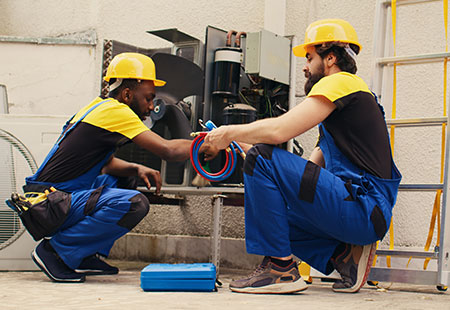
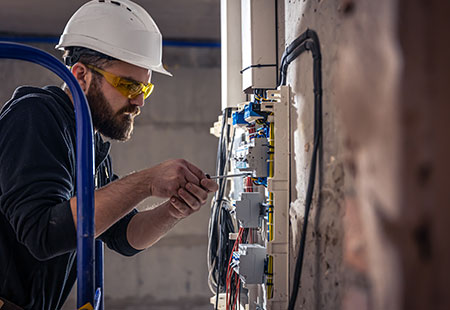
MEP (Mechanical, Electrical, and Plumbing) services include HVAC systems, electrical installations, lighting, fire-fighting systems, and plumbing networks. These systems are essential for building functionality and safety.
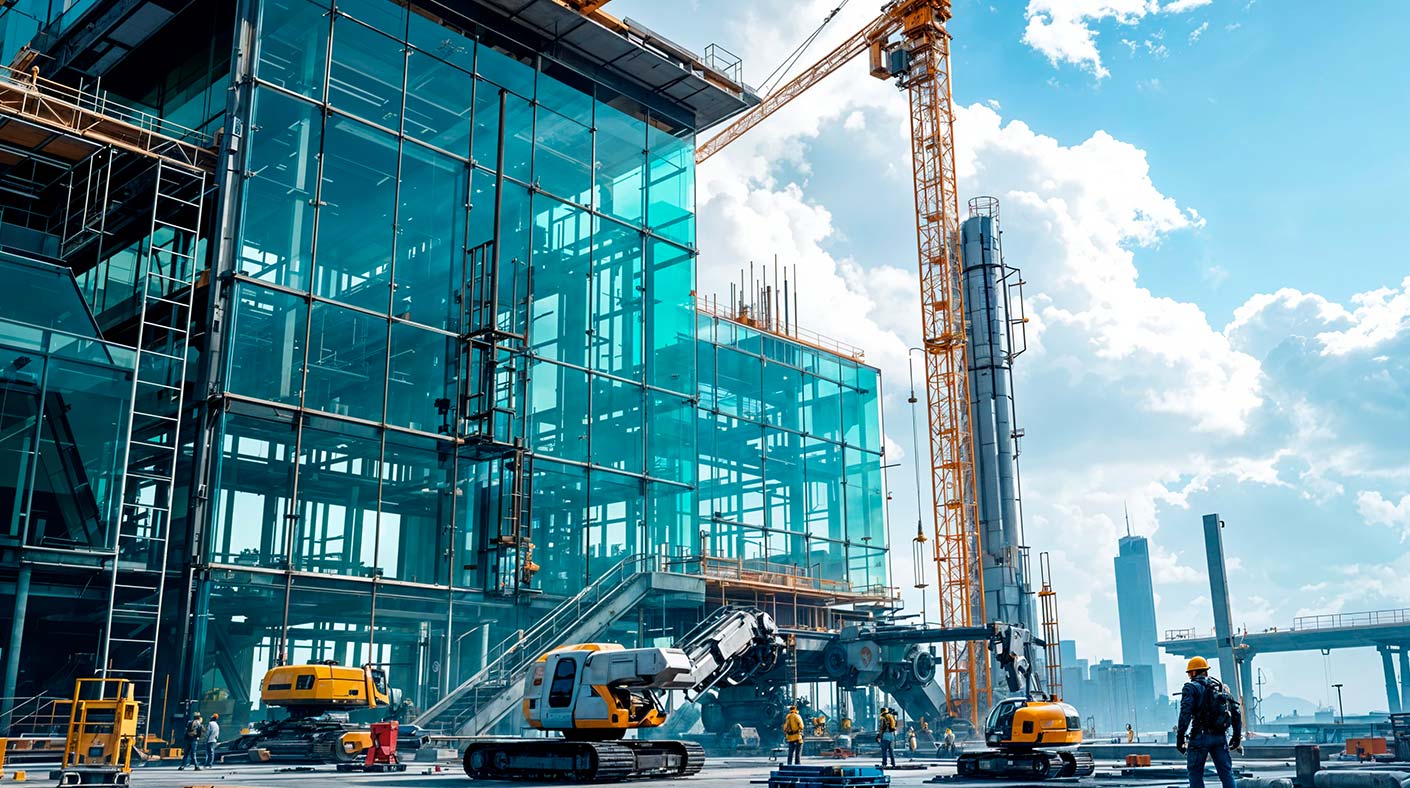
MEP works are the most technical part of construction, often accounting for 25% to 40% of total project costs. In 2026, the focus has shifted heavily toward “Smart MEP,” where systems are no longer just pipes and wires but integrated, AI-monitored networks.
BIM is Mandatory
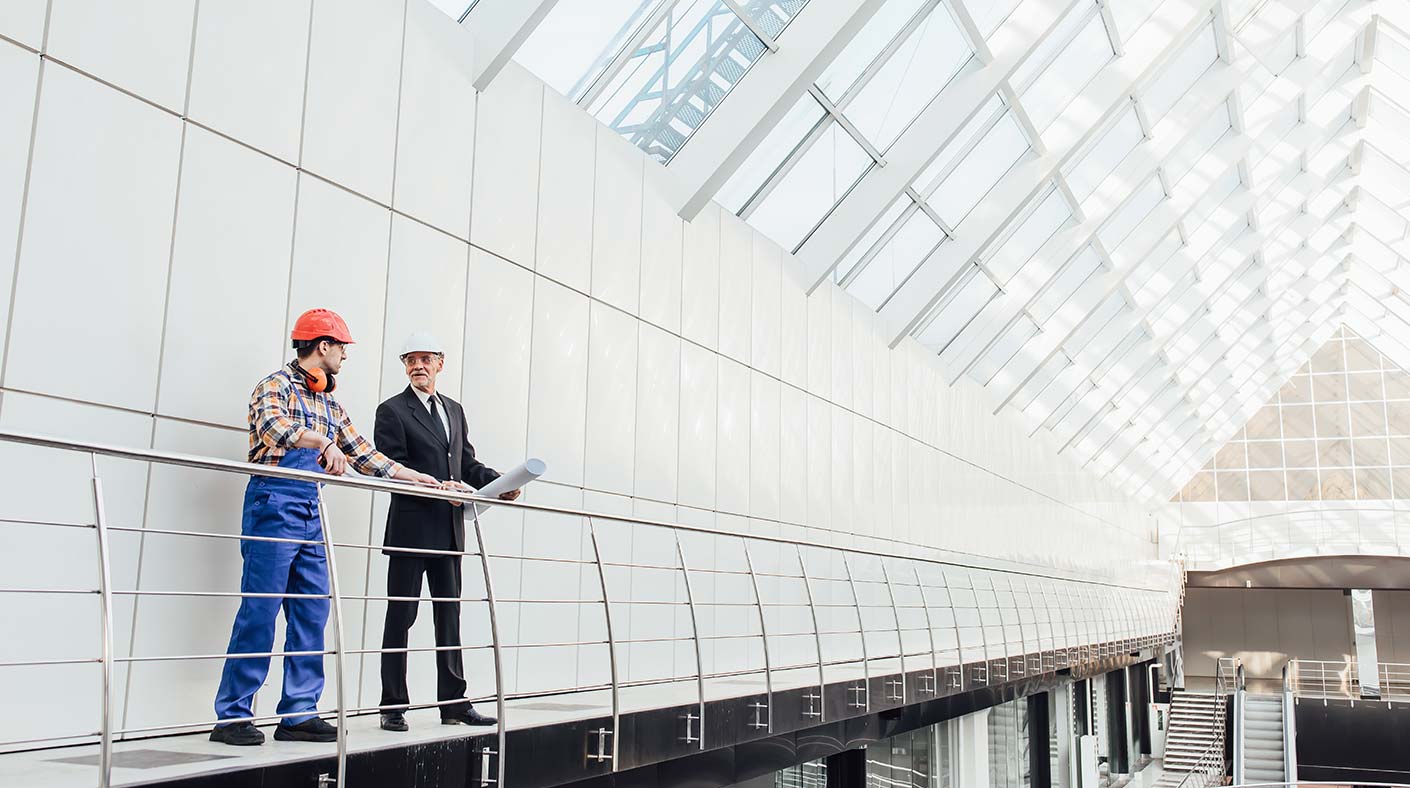
In 2026, 3D coordination (BIM) is the industry standard. It identifies "clashes"—like a 4-inch pipe trying to go through a steel beam—before a single wrench is turned on-site.
The "Commissioning" Trap
Many projects fail at the finish line because they don't leave enough time for commissioning. This phase should never be rushed, as it ensures the systems actually work together.
Access Panels
Always ensure your fit-out team places access panels where MEP valves or motors are located. There is nothing worse than cutting into a finished ceiling to fix a leaky AC valve.
Finishing
This refers to the final cosmetic and protective layers applied to surfaces. It is the "skin" of the project
Important Considerations
The “Sequence” Rule: Success in finishing is 90% about timing. For example, never start final painting until the AC is commissioned, as dust and humidity can ruin the finish.
Key Elements of Interior Design
- We provide high quality design services.
- Project on time and Latest Design.
- Scientific Skills For getting a better result.
- Renovations Benefit of Service
- Flexible with any structure of the building
- Commitment to customer service
- Experienced, time-served engineers
- We are confident about our projects.
Frequently asked questions
M: Mechanical (HVAC)
Deals with environmental comfort and air quality.
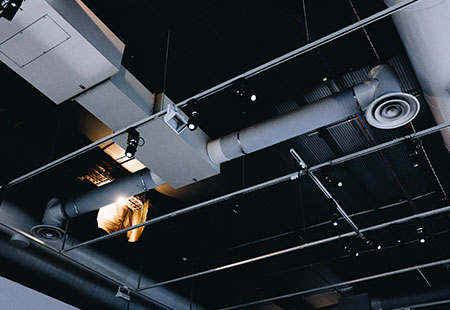
Heating & Cooling: Chillers, AHUs (Air Handling Units), and VRF systems.
Ventilation: Fresh air fans and smoke extract systems for fire safety.
2026 Trend: A major shift toward Low-GWP (Global Warming Potential) refrigerants like R290 to meet new environmental regulations.
E: Electrical
The power grid of the building.
High/Low Voltage: Transformers, switchgear, and MDBs (Main Distribution Boards).
ELV (Extra Low Voltage): Data/IT, CCTV, fire alarms, and Building Management Systems (BMS).
2026 Trend: Integration of Distributed Energy Resources (DER) like on-site solar and battery storage directly into the building’s electrical logic.
P: Plumbing
Water management and life safety.
Water Supply: Potable water tanks, booster pumps, and filtration.
Drainage: Sanitary waste, greywater recycling, and stormwater management.
Fire Protection: Sprinkler heads, fire pumps, and FM-200 gas suppression for server rooms.